
Best Performance Parts for Truck Towing: 2026 Guide
Last Updated: October 23, 2026
Quick Summary
The best performance parts for truck towing start with safety hardware: a proportional trailer brake controller, a correctly rated hitch, and load-support air springs for rear-end sag. Add a transmission cooler for heat protection, then consider a towing-specific tune or cat-back exhaust. No part raises your truck's rated towing capacity.
- A helper air spring kit fixes rear-end sag without lifting the truck or changing its stance.
- ICON staged suspension systems for Ram 2500 and 3500 run from $3,800.96 to $7,689.49.
- A proportional trailer brake controller is the highest-value safety upgrade and not optional on heavy trailers.
- If you only do one drivetrain modification for towing, make it cooling.
Table of Contents
- Quick Comparison: Best Performance Parts for Truck Towing
- Towing Suspension Upgrades That Actually Reduce Rear-End Sag
- Brakes, Hitches, and Towing Hardware: The Safety Layer
- Truck Exhaust Upgrades for Towing: What Helps and What Doesn't
- Diesel Tuner for Towing: Power Gains Without Breaking Your Truck
- Truck Transmission Cooler Upgrade: Protecting the Weakest Link
- Payload, GVWR, and Axle Ratings: What Parts Can't Change
- How to Prioritize Your Towing Upgrades by Condition
- Frequently Asked Questions
Quick Comparison: Best Performance Parts for Truck Towing
Truck towing exposes every weak point in a vehicle, so the best performance parts for truck towing fix a real problem. At My Parts Guy MPG Auto, we help drivers sort load-support hardware from parts that only look good on a spec sheet.
| Upgrade | What It Fixes | Rough Cost (CAD) | Priority |
|---|---|---|---|
| Air spring helper kit | Rear-end sag, load support | $1,160.99 | High if you tow heavy |
| Brake controller and pads | Stopping distance, control | Varies by kit | Highest |
| Hitch and hardware | Safe coupling, weight distribution | Varies by class | Highest |
| Cat-back exhaust | Heat management, airflow | Varies by system | Low |
| Diesel tuner | Power gains at low RPM | Varies by tuner | Medium, warranty risk |
| Transmission cooler | Fluid temperature under load | Varies by kit | High on older trucks |
| Suspension system | Stability, sway reduction | $3,800.96 to $7,689.49 | Medium |
Towing Suspension Upgrades That Actually Reduce Rear-End Sag
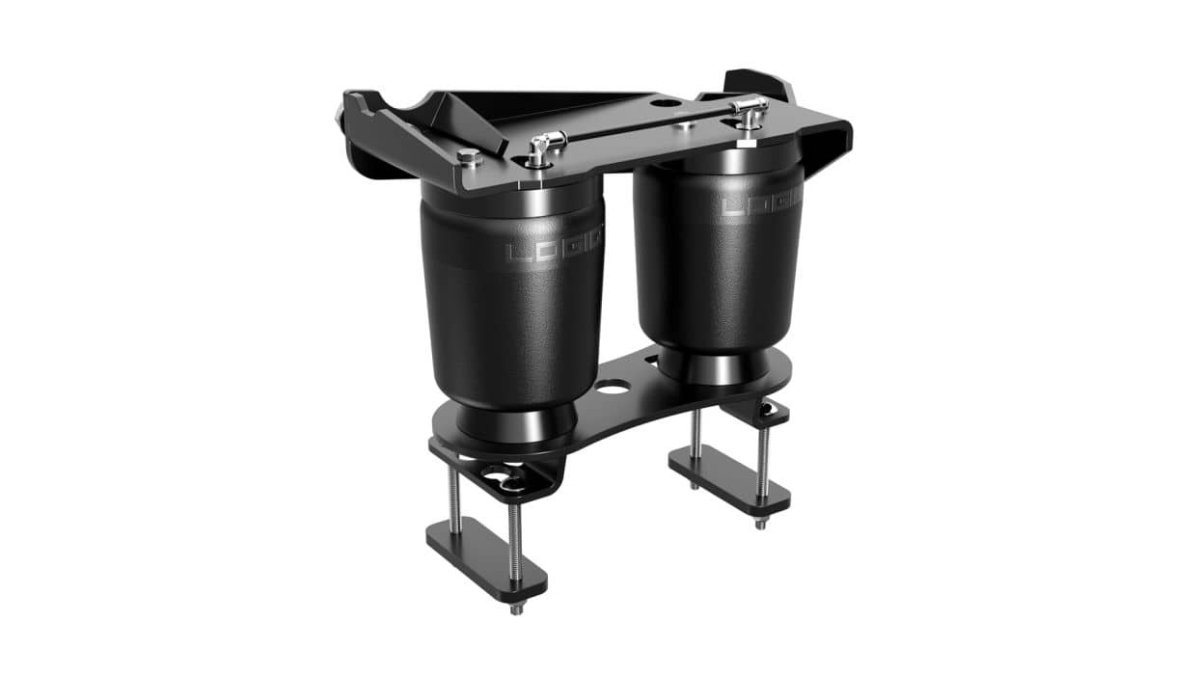
The fastest fix for rear-end sag is a helper air spring kit, not a lift. It adds load support at the rear axle without raising the truck or changing its stance, and installs without drilling on most applications.

Our pick for late-model Super Duty trucks is the ReadyLift AIR SPRING KIT 23-26 SUPER DUTY (EXC CAB & CHASSIS) 88-23230 at $1,160.99.
Air Spring Kits vs. Full Suspension Systems
Air springs are the surgical fix. A full suspension system is the broad fix, and it costs considerably more.
For Ram 2500 and 3500 owners, the ICON staged systems are the reference point. The Stage 2 system at $3,800.96 pairs dual-rate coil springs with remote reservoir shocks and an adjustable track bar. Stage 5 at $7,689.49 adds CDCV shocks with an external compression knob you can tune for a loaded trailer or an empty bed.

Brakes, Hitches, and Towing Hardware: The Safety Layer
Brakes and hitches are where cutting corners has real consequences. A trailer brake controller is not optional on a heavy trailer, and the hitch class must match the trailer's loaded weight, not its dry weight.
Here's how we'd sequence this layer:
- Trailer brake controller first. Proportional controllers read deceleration and apply trailer brakes smoothly. Time-delay units are cheaper and feel crude in stop-and-go traffic.
- Inspect the hitch receiver for rust and cracks before every season, especially on trucks that see winter road salt.
- Match the ball mount and coupler rating to the trailer's gross weight, then confirm the hitch is rated for a weight-distributing setup if you use one.
Brake fade shows up long before a warning light does. If your pedal travels further when the trailer is loaded, the truck's brakes are already past their comfort zone.
Truck Exhaust Upgrades for Towing: What Helps and What Doesn't
Truck exhaust upgrades for towing help mainly by managing heat and improving airflow after the emissions hardware, not by adding meaningful power on their own.
On a modern diesel, the DPF and SCR hardware sit upstream of the cat-back section, so the cat-back is largely a sound and heat-management purchase. On gasoline trucks, the factory manifold and catalytic converters do the emissions work, and the cat-back changes tone, weight, and flow rather than certified output.
What a cat-back system actually changes
- Exhaust gas temperature under load. Better flow can reduce backpressure and help heat escape, which is why exhaust upgrades are often paired with towing tunes and transmission cooling on heavy tow rigs.
- Weight and packaging. Some systems save weight over factory piping and improve clearance around the rear axle and spare tire.
- Sound. A deeper tone is the most noticeable change for most drivers, and drone at highway speed is the most common complaint after installation.
Realistic gains and trade-offs
A cat-back alone produces modest gains, often low single-digit horsepower and torque on otherwise stock trucks, usually felt at higher RPM rather than the low RPM where towing happens. The bigger towing benefit is heat management on long climbs, not a seat-of-the-pants power increase. Expect fuel economy to change little and the tone to be louder on cold start and under throttle.
Fitment, cost, and installation
Cat-back systems are vehicle-specific. Fitment depends on cab and bed configuration, wheelbase, engine, and whether the truck has factory dual or single exhaust.
Installed cost varies by material and brand: aluminized steel at the lower end, 409 stainless in the middle, 304 stainless at the top, with typical prices from a few hundred to well over a thousand dollars in CAD depending on the truck and system.
Legal and warranty considerations
Check local noise bylaws before you buy. A system that sounds aggressive in the driveway can be a problem at 6 a.m. in a residential neighborhood, and some municipalities enforce idle and pass-by noise limits.
Diesel Tuner for Towing: Power Gains Without Breaking Your Truck
A diesel tuner for towing is worth considering only if it's built for towing, not maximum output. Towing tunes prioritize low-RPM torque and conservative fueling, keeping exhaust temperatures and transmission load in check.
Three things to weigh before you buy:
- Warranty exposure. A tuner can affect how a dealer handles a powertrain claim. Ask directly, in writing, before you install anything.
- Emissions compliance. Removing or defeating emissions equipment is not a path we'd recommend or sell.
- Transmission limits. Extra torque finds the weakest clutch pack or torque converter first. A tuner without transmission support is half a modification.
Our honest take: if you tow occasionally and stay near the factory rating, a tuner is optional. If you tow heavy regularly and want better manners on grades, a towing-specific tune paired with a transmission cooler is the combination that actually holds up.
Truck Transmission Cooler Upgrade: Protecting the Weakest Link
A truck transmission cooler upgrade is the least glamorous part on this list and the one most likely to save you a rebuild. Heat kills automatic transmissions, and towing generates heat continuously.
ReadyLift AIR SPRING KIT 23-26 SUPER DUTY (EXC CAB & CHASSIS) 88-23230 →
Factory coolers are sized for the average driver, not for pulling a loaded trailer up a long climb in July. An auxiliary cooler plumbed into the return line drops fluid temperature under sustained load, and cooler fluid lasts longer.
Signs you need one now:
- Fluid that smells burnt or looks dark after a towing season
- A transmission that shifts harder when hot
- Any truck running near or above its rated tow capacity regularly
Payload, GVWR, and Axle Ratings: What Parts Can't Change
No part on this list raises your truck's ratings. GVWR, GCWR, payload, and axle ratings are set by the manufacturer and printed on the certification label in the driver's door jamb.
This is where many towing setups go wrong. Owners add air springs to fix sag, feel the truck sit level, then load another few hundred pounds in the bed.
Do this before you buy anything:
- Read the door jamb label and write down GVWR and both axle ratings
- Weigh the truck at a scale with a full tank and your normal gear
- Weigh the tongue or pin weight of your loaded trailer
If the numbers don't work, the answer is a lighter trailer or a bigger truck, not more parts.
How to Prioritize Your Towing Upgrades by Condition
Match the upgrade to the condition you actually tow in, not a wish list. Sequence by condition, trade-off, and cost so you build a plan instead of buying parts one at a time.
Start with the limits, then the conditions
Before prioritizing anything, confirm your truck's ratings. GVWR, GCWR, payload, and axle ratings are set by the manufacturer and printed on the certification label in the driver's door jamb. No aftermarket part on this list raises those numbers. Upgrades improve how the truck handles a load it's already rated to carry and can improve durability and control, but they don't change the certified limits.
A practical sequencing framework
If you tow heavy and the truck squats: air spring helper kit first.
If you tow in mountains or heat: transmission cooler and a towing-specific tune, in that order. Heat management beats power every time.
If the trailer wanders or the truck feels loose: inspect the hitch, coupler, and trailer tires before spending a dollar on suspension.
If you tow occasionally with a light trailer: leave the truck alone and spend the money on good tires and a quality brake controller.
Evidence-based trade-offs to weigh
- Power versus durability. More torque finds the weakest clutch pack or torque converter first. A tuner without transmission support is half a modification.
- Stability versus ride. Helper springs and stiffer suspension reduce sag and sway but can stiffen an empty truck. Adjustable shocks and air pressure let you tune between loaded and empty.
- Braking versus cost. Trailer brake controllers and upgraded pads improve stopping distance and control, but they add cost and maintenance. Brake fade shows up long before a warning light does, so pedal travel under load is a signal to act.
Installation difficulty and maintenance at a glance
- DIY-friendly with hand tools: cat-back exhaust, trailer brake controller, air spring helper kit on many applications, wiring checks.
- Best left to a shop: transmission cooler plumbing, suspension system installation and alignment, tuner installation where warranty documentation matters.
- Seasonal inspection: hitch receiver for rust and cracks, trailer wiring and breakaway battery, air spring lines and fittings, tire pressure and sidewall condition.
Fitment by truck, engine, and trailer setup
Fitment depends on year, make, model, cab and bed configuration, drivetrain, engine, and trailer type. Buy by VIN, not model year alone, because trim and submodel differences decide fitment more often than the year does. A five-minute VIN check prevents a return. For trailers, confirm loaded weight, tongue or pin weight, and coupler rating before choosing a hitch class or weight-distributing setup.
For Canadian buyers, the practical advantage of shopping with us is straightforward: no duties or brokerage fees at the door, prices monitored against major retailers, and a real person to call when you're not sure a part fits. Warren Young put it simply after his order: "The headlights fit perfectly no complaints." That's the standard we aim for on every towing part we ship.
Frequently Asked Questions
Do performance parts increase a truck's towing capacity?
No. Parts like air springs, tuners, and exhaust upgrades can improve control, stability, and durability, but they do not raise the factory-rated towing capacity, GVWR, or axle ratings. Those numbers are set by the manufacturer and are tied to the truck's frame, brakes, and cooling systems as built. A ReadyLift air spring kit, for example, is designed to maximize your truck's existing towing and hauling capability, not exceed it. Always check your door-jamb sticker and owner's manual before loading up.
What suspension upgrades help with towing?
The most effective towing suspension upgrades address rear-end sag and load support. Air spring helper kits, like the ReadyLift kit for 2023-2026 Super Duty trucks at $1,160.99, bolt on without drilling and keep the factory bump stops. For older Ram 2500/3500 trucks, ICON Stage 2 through Stage 5 systems range from $3,800.96 to $7,689.49 and include dual-rate coil springs, adjustable track bars, and reservoir shocks tuned for towing and rough roads. Match the kit to your truck's year and cab configuration.
Are exhaust upgrades worth it for towing?
Exhaust upgrades can help with heat management and airflow, which matters when a truck works hard under load. A freer-flowing system can reduce backpressure and let the engine breathe better, but the gains are modest on most modern trucks. The bigger benefit for towing is often lower exhaust gas temperatures on long climbs. If you tow frequently in hilly terrain, a quality cat-back or turbo-back system is a reasonable upgrade. Just confirm it meets local noise and emissions rules before buying.
Should I upgrade my truck's transmission cooler for towing?
Yes, if you tow heavy loads regularly or live in a hot climate. Heat is the main killer of automatic transmissions, and a dedicated transmission cooler upgrade keeps fluid temperatures in a safer range during long pulls. Many trucks come with a factory cooler, but it may be marginal for max-load towing. An aftermarket cooler is one of the cheaper reliability upgrades you can make. Pair it with regular fluid changes and monitor temps with a gauge if your truck supports it.
How can I improve towing stability without exceeding my truck's ratings?
Start with load distribution and tire pressure, then add parts that control motion. Air springs or helper springs reduce rear sag and keep weight on the front axle. An adjustable track bar and quality shocks, like those in ICON suspension systems, reduce body roll and sway. A properly set weight-distribution hitch and trailer brake controller are equally important. None of these change your ratings, but they make the truck behave predictably at the limit. Weigh your setup at a scale to confirm you are within payload and axle limits.
Towing upgrades get expensive fast when you buy them in the wrong order, and the wrong order usually starts with power instead of control. If you're building a tow rig that stays stable, cool, and within its ratings, our team can help you match parts to your truck's VIN, your trailer's real weight, and the conditions you actually drive in. Browse our suspension, cooling, and towing hardware, and get expert advice before you order. Subscribe for new arrivals and towing setup guides.
